Industry Insights & News
Stay informed with expert market trends, technical innovations in freeze-dried ingredients, and product development resources.

2026 Top Confectionery Recipe Ingredients for Buyers
Table of Contents
- Core Ingredient Categories in Confectionery Recipes
- Functional Roles of Sugars, Fats, and Dairy Ingredients
- Natural Flavors, Colors, and Texture Enhancers
- Buyer Criteria for Quality, Safety, and Supply Reliability
- Emerging Ingredient Trends for 2026 Confectionery Production
- FAQS
- Conclusion
- Related Posts
In 2026, confectionery buyers face a wider choice of flavors, textures, and functional ingredients. The right Confectionery Recipe Ingredients can shape taste, shelf life, production efficiency, and consumer trust. A chocolate coating may look glossy under showroom lights, yet fail during warm transport. A fruit filling may taste vibrant, yet separate after several weeks. These practical details matter more than a promising product brochure.
This guide examines ingredients through a buyer’s lens. It considers cocoa products, sweeteners, dairy powders, fruit preparations, nuts, inclusions, colors, flavors, and texturizing agents. Each category deserves attention to purity, batch consistency, allergen controls, documentation, and processing performance. Reliable suppliers should provide clear specifications, certificates of analysis, traceability records, and realistic shelf-life data. Buyers should also test ingredients in the final recipe, not only in laboratory samples. Small differences can appear after baking, cooling, enrobing, or storage.
Market trends will influence purchasing decisions, including reduced-sugar formulas, plant-based options, recognizable labels, and responsibly sourced materials. However, trends do not replace technical judgment. A clean label may still require careful stability testing. A sustainable claim may need stronger evidence. No shortlist is perfect. I may overlook a regional preference or underestimate a supplier’s minimum order quantity. Therefore, this introduction treats selection as an informed process, supported by trials, supplier dialogue, and documented quality checks. The goal is practical guidance for buyers who need dependable ingredients and confectionery products that perform consistently in real production environments.
Core Ingredient Categories in Confectionery Recipes
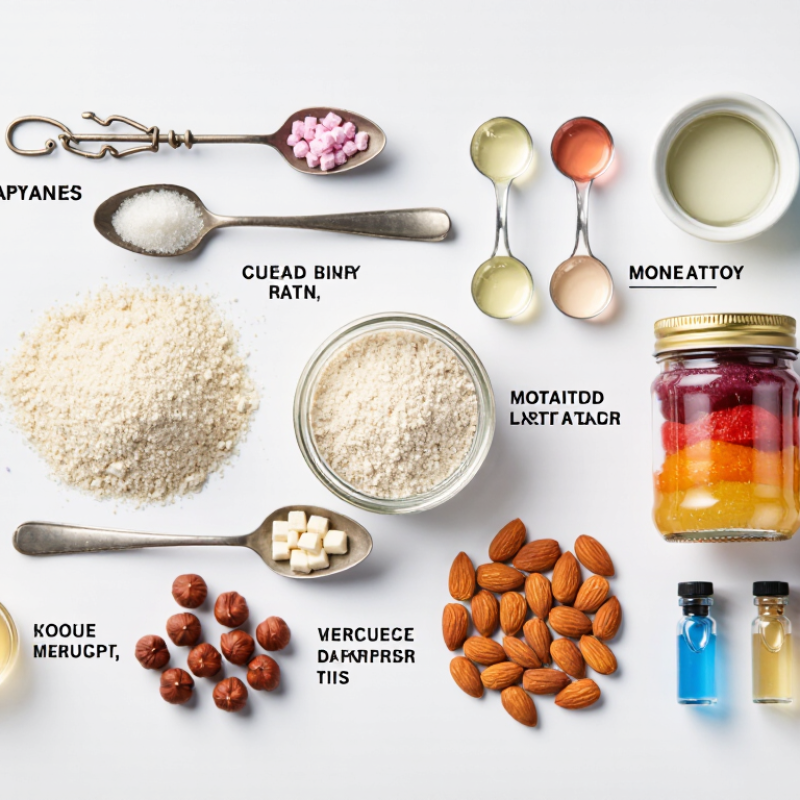
For 2026 confectionery buyers, recipe planning starts with ingredient categories, not isolated products. Sugar and syrups build sweetness, body, and moisture control. Cocoa, chocolate liquor, and cocoa butter create color, aroma, and snap. Dairy powders, fats, and emulsifiers improve creaminess and stability. Nuts, seeds, fruit pieces, and inclusions add texture and premium appeal. Grand View Research projects the global confectionery market to reach about USD 319 billion by 2030, with product innovation supporting steady growth. This suggests buyers should assess both cost and sensory performance.
Functional ingredients deserve closer attention. Pectin, gelatin alternatives, starches, and fibers can shape gummies, chews, and reduced-sugar recipes. Natural flavors and colors may support cleaner-label positioning, but they can vary between batches. The International Cocoa Organization reported a projected cocoa supply deficit for the 2023/24 season, reminding buyers to monitor availability and price exposure. A low-cost formula may fail during seasonal shortages. That is a lesson worth repeating.
Tips: Request technical sheets, allergen statements, and recent certificates of analysis. Test each ingredient in the finished recipe, not only in a laboratory sample. Check melting behavior, water activity, particle size, and shelf-life performance. Keep backup specifications ready. Ingredient substitution is rarely perfect. Even small differences in syrup solids can change bite, shine, and storage stability.
Functional Roles of Sugars, Fats, and Dairy Ingredients
For confectionery buyers, ingredient choice starts with function, not price alone.
Sugars control sweetness, bulk, texture, browning, and moisture retention.
Sucrose creates a clean snap in hard candy and a familiar body in fondants.
Glucose syrup can reduce crystallization and improve chew. In soft centers, invert sugar helps maintain moisture.
Small changes matter.
Fats shape melting behavior, mouthfeel, gloss, and structure.
A structured vegetable fat can improve heat stability during transport. Its melting profile also determines whether chocolate feels creamy or waxy.
Buyers should request solid-fat data, melting curves, and oxidation results.
Factory trials remain essential because laboratory texture does not always predict production performance.
I have seen a stable filling become greasy after slight temperature changes.
Dairy ingredients add proteins, minerals, lactose, and rounded flavor.
Milk powder can strengthen caramel color and provide a fuller bite.
Whey ingredients may support browning and adjust solids, but excessive use can create a dry finish.
Cream powders often improve richness, while increasing cost and moisture sensitivity.
Buyers need clear specifications for protein, moisture, microbiological quality, and allergen declarations.
Shelf-life testing should include heat, humidity, and repeated temperature shifts.
No ingredient performs perfectly.
A practical specification leaves room for adjustment.
Natural Flavors, Colors, and Texture Enhancers
2026 Top Confectionery Recipe Ingredients for Buyers
Natural flavors, colors, and texture enhancers are moving from niche options to practical buying priorities. MarketsandMarkets estimates the global natural food colors market will grow from about USD 1.7 billion in 2024 to USD 2.2 billion by 2029. For confectionery buyers, this signals stronger demand for recognizable ingredients and cleaner label statements. Beetroot, paprika, turmeric, and spirulina can create vivid shades. Their performance still depends on pH, heat, light, and sugar concentration.
Natural flavors also require careful testing. Citrus oils may brighten gummies, while vanilla, mint, and fruit extracts can soften harsh sweetness. However, “natural” does not guarantee consistent intensity between harvests or suppliers. Buyers should request origin details, allergen declarations, stability data, and batch-to-batch specifications. A small pilot run often reveals problems hidden in the technical sheet.
Texture enhancers deserve equal attention. Industry reports from Future Market Insights identify steady growth in hydrocolloids, supported by demand for improved mouthfeel and product stability. Pectin can deliver a clean, elastic bite, while starches may support firmer centers and reduced stickiness. The wrong system can create a rubbery texture.
That trade-off matters.
In our formulation trials, natural colors sometimes faded before the stated shelf life. We also found that stronger fruit flavor was not always better; it could expose acidity or leave a medicinal note. Buyers should compare finished samples under real storage conditions, not rely only on laboratory measurements. Supplier audits, transparent documentation, and regional regulatory checks remain essential before commercial approval.
Buyer Criteria for Quality, Safety, and Supply Reliability
For confectionery buyers, ingredient quality starts with measurable specifications, not attractive samples. The USDA Sugar: World Markets and Trade report projected global sugar production near 189 million metric tons in 2024/25. Large supply does not guarantee consistent crystals, color, or moisture. Request particle-size data, microbiological limits, allergen statements, and certificates of analysis for every lot. Small differences can change caramel texture.
Safety requires documented control at the factory and during transport. The World Health Organization estimates that contaminated food causes about 600 million illnesses worldwide each year. Ask suppliers to show HACCP plans, third-party audit results, traceability exercises, and corrective-action records. For cocoa, nuts, milk powders, and emulsifiers, verify allergen segregation and cleaning validation. Paperwork matters. Physical evidence matters more.
Supply reliability needs tested alternatives. The World Bank’s Commodity Markets Outlook has repeatedly identified weather and energy costs as major agricultural price risks. Buyers should review three years of delivery performance, lead times, minimum order quantities, and backup production sites. Confirm pallet protection, temperature controls, and storage conditions before signing. A supplier may offer a low price, yet weak traceability can create expensive delays. I would also challenge my own assumptions: one successful shipment proves little. A stronger evaluation uses seasonal orders, retained samples, and a failure-response drill. Perfect forecasts do not exist.
2026 Top Confectionery Recipe Ingredients for Buyers - Buyer Criteria for Quality, Safety, and Supply Reliability
| Ingredient Category | Typical Confectionery Use | Key Quality Criteria | Typical Buyer Specification or Benchmark | Primary Safety Controls | Supply Reliability Indicators | Documents and Verification |
|---|---|---|---|---|---|---|
| Cocoa Powder | Chocolate flavor, color, fillings, cakes, coatings, and drink powders | Consistent color, cocoa flavor, fine particle size, low off-notes, and stable fat content | Moisture commonly ≤5%; microbiological limits agreed by product risk assessment; particle size commonly controlled around 75–200 micrometres | Salmonella control, allergen cross-contact prevention, foreign-material control, and monitoring for heavy metals such as cadmium where applicable | Origin diversification, crop-year planning, documented lead times, safety stock, and price-risk management | Certificate of analysis, microbiological report, heavy-metal results, allergen statement, traceability record, and sustainability or chain-of-custody documentation when required |
| Cocoa Mass or Chocolate Liquor | Chocolate bases, ganache, pralines, and molded chocolate | Cocoa percentage, viscosity, flavor profile, particle fineness, and absence of rancid or smoky notes | Moisture generally low; viscosity and fat content specified by application; no visible foreign matter | Validated roasting step, Salmonella control, allergen segregation, and packaging integrity | Temperature-controlled logistics where required, confirmed production slots, and backup processing capacity | Batch COA, process-flow summary, allergen declaration, food-safety certification, and lot-level traceability |
| Sucrose | Hard candy, fondant, caramel, gummies, creams, and chocolate recipes | High purity, predictable crystal size, neutral taste, low color, and consistent dissolution | Food-grade refined sugar; polarization commonly near 99.7% or higher; moisture typically ≤0.1–0.2% depending on grade | Foreign-material screening, hygienic handling, pesticide compliance where applicable, and control of dust-related hazards | Multiple approved origins, contract allocation, warehouse capacity, and documented seasonal availability | COA, purity and moisture results, pesticide statement where relevant, allergen statement, and country-of-origin records |
| Glucose Syrup | Chewiness, anti-crystallization, body, gloss, and moisture retention | DE value, dry solids, viscosity, color, flavor neutrality, and microbiological stability | Dry solids commonly 75–85%; DE selected by application, often approximately 38–65; pH and color agreed in the specification | Yeast and mold control, hygienic bulk handling, allergen assessment based on source, and packaging seal verification | Bulk-tank availability, delivery flexibility, shelf-life at receipt, and contingency for transport interruptions | COA for DE, dry solids, pH, color, and microbiology; ingredient origin, allergen statement, and shelf-life declaration |
| Milk Powder | Milk chocolate, caramels, fudge, nougat, fillings, and creamy centers | Protein and lactose consistency, dispersibility, clean dairy flavor, low scorched-particle count, and low oxidation | Moisture commonly ≤4%; protein and fat defined by grade; solubility and bulk density matched to process requirements | Mandatory milk-allergen declaration, Salmonella and Cronobacter controls where relevant, antibiotic-residue compliance, and low-moisture hygiene | Dairy-origin diversification, cold-chain or controlled storage, stock rotation, and extended shelf-life at delivery | COA, microbiological results, allergen statement, veterinary or regulatory documentation where required, and storage-condition records |
| Vegetable Fats and Cocoa Butter | Chocolate coatings, compound coatings, fillings, wafers, and texture adjustment | Melting profile, solid-fat content, oxidative stability, neutral flavor, and compatibility with tempering or enrobing | Free fatty acids, peroxide value, iodine value, and slip-melting point set according to the recipe and local regulations | Control of contaminants such as glycidyl esters and 3-MCPD esters where applicable; allergen and identity verification | Defined storage temperature, oxidation-protective packaging, supply allocation, and alternative approved fat systems | COA, contaminant statement, fatty-acid profile, non-hydrogenation statement where relevant, allergen declaration, and origin records |
| Gelatin | Gummies, marshmallows, aerated confectionery, and soft jellies | Bloom strength, gel time, viscosity, clarity, color, and flavor neutrality | Bloom commonly specified within an application range such as 150–300; moisture commonly ≤14%; microbial limits agreed by risk assessment | Animal-origin and allergen declaration, pathogen control, species verification where required, and religious or dietary compliance | Stable slaughterhouse or raw-material sourcing, lot consistency, long shelf life, and qualified non-gelatin backup options | COA for Bloom and viscosity, species and origin statement, microbiology, allergen declaration, and applicable certification records |
| Pectin | Fruit gummies, jellies, pâte de fruit, and vegetarian gel systems | Degree of esterification, setting speed, gel strength, methoxyl type, clarity, and acid or sugar tolerance | High-methoxyl or low-methoxyl grade selected by formulation; gel performance verified at target soluble-solids and pH levels | Microbiological control, carrier and allergen assessment, heavy-metal compliance, and correct food-additive labeling | Citrus or apple-source availability, batch-performance history, alternative grade qualification, and moisture-protected storage | COA, gel-strength or setting-performance data, origin statement, additive compliance documentation, and allergen declaration |
| Nuts and Nut Pastes | Pralines, gianduja-style fillings, bars, nougat, and inclusions | Variety identity, size, roast profile, moisture, oil stability, crunch, and absence of rancid flavors | Moisture commonly controlled near or below 5–7% depending on nut type; peroxide and aflatoxin limits set by regulation and risk assessment | Allergen segregation, Salmonella control, aflatoxin testing where relevant, foreign-material detection, and pest control | Crop-season planning, multi-origin options, cold or cool storage, shelling capacity, and harvest-risk monitoring | COA, allergen statement, aflatoxin results where applicable, microbiology, pesticide statement, and lot traceability |
| Emulsifiers | Viscosity reduction, dispersion, aeration, texture control, and shelf-life support | Functional performance, purity, color, flavor neutrality, dosage efficiency, and compatibility with the fat system | Identity and purity conforming to applicable food-additive specifications; moisture and acid value controlled by product type | Source and allergen verification, contaminant control, correct additive classification, and prevention of cross-contact during blending | Stable raw-material supply, consistent functional testing, multiple production sites or approved alternatives, and controlled packaging | COA, additive specification, source statement, allergen declaration, regulatory compliance statement, and functional test results |
| Food Acids | Flavor balance, pH adjustment, gel setting, preservation support, and sour confectionery | Acid strength, particle size, solubility, purity, taste profile, and low hygroscopicity | Purity commonly aligned with applicable food-chemical standards; pH and titratable acidity validated in the finished recipe | Correct food-grade identity, heavy-metal limits, foreign-material control, and moisture-protective handling | Multiple qualified sources, dry storage, anti-caking performance, and reliable packaging availability | COA, purity and acidity results, regulatory compliance statement, allergen declaration, and storage-condition guidance |
| Natural and Synthetic Colors | Visual differentiation, layer effects, coatings, fillings, and seasonal products | Shade strength, heat and light stability, dispersion, pH stability, batch-to-batch color consistency, and taste neutrality | Use only permitted colorants for the target market; concentration and purity must meet the applicable additive specification | Identity and purity testing, contaminant controls, correct labeling, and verification of carrier ingredients and allergens | Crop or fermentation dependence assessed for natural colors; light-protected stock, long lead-time planning, and approved substitutes | Color index or additive identity, COA, purity results, regulatory status by market, allergen declaration, and stability data |
| Flavorings | Fruit, vanilla, mint, caramel, coffee, citrus, and specialty flavor profiles | Flavor authenticity, dosage range, heat stability, carrier compatibility, batch consistency, and low residual solvent risk | Dosage validated by sensory trials; composition and labeling category confirmed for each target market | Allergen and carrier review, contaminant control, accurate natural-flavor claims, and packaging integrity | Critical raw-material mapping, formulation confidentiality controls, retained samples, and backup flavor profile approval | Technical data sheet, allergen statement, regulatory declaration, sensory sample, shelf-life data, and batch traceability |
| Salt and Mineral Ingredients | Flavor enhancement, salted caramel, electrolyte products, and texture balancing | Granulation, purity, dissolution, uniform distribution, and absence of bitter or metallic notes | Food-grade purity and particle-size range defined by the process; mineral content verified where nutrition claims are made | Heavy-metal and contaminant compliance, foreign-material control, and correct nutrition or additive labeling | Stable mineral source, moisture-resistant packaging, geographic diversification, and low disruption risk | COA, purity and contaminant results, particle-size data, origin statement, and regulatory compliance documentation |
Emerging Ingredient Trends for 2026 Confectionery Production
2026 Top Confectionery Recipe Ingredients for Buyers
Emerging ingredient trends are reshaping confectionery production in 2026. Buyers are seeking lower-sugar systems without sacrificing bite, gloss, or shelf stability. Soluble fibers, fruit concentrates, and carefully balanced sweetener blends can reduce sugar intensity. However, each option changes viscosity and aftertaste. Small trials matter.
Upcycled fruit fibers are gaining attention for their color, flavor, and sustainability value. They can add body to gummies, fillings, and baked centers. Plant-based proteins also support new textures in protein confectionery. Their earthy notes may require cocoa, roasted seeds, or natural flavor adjustments. Natural colors from vegetables, fruits, and spices offer visual appeal, but heat and light can weaken them.
From practical sourcing experience, ingredient performance matters as much as the specification sheet. A supplier should provide traceability, allergen information, microbiological data, and reliable batch consistency. Buyers should test ingredients under real factory conditions, including storage, humidity, and transportation. Early samples often perform well in the laboratory, then soften after two weeks. That mistake is easy to make.
Fermentation-derived ingredients may improve flavor, sweetness, or mouthfeel in selected applications. Yet production teams must check consumer acceptance, labeling requirements, and regional regulations. Clear documentation supports safer decisions. The strongest 2026 formulas will balance nutrition, sensory quality, cost, and honest communication. Flawless innovation is unlikely. Careful correction is more realistic.
FAQS
Sugars control sweetness, bulk, browning, texture, and moisture retention. Sucrose can create a clean snap in hard candy. Glucose syrup may reduce crystallization and improve chew. Invert sugar can keep soft centers moist.
Review melting curves, solid-fat data, oxidation results, and heat stability. A suitable fat can improve gloss and mouthfeel during transport. An unsuitable fat may feel waxy or greasy. Small temperature changes can expose problems.
Milk powder can deepen caramel color and create a fuller bite. Cream powders may increase richness. Whey ingredients can support browning and adjust solids. Too much whey may leave a dry finish.
Request protein, moisture, microbiological, and allergen information. Check how the ingredient performs under heat and humidity. Repeated temperature shifts matter. A perfect specification may still need adjustment.
No. Harvests and suppliers can change their intensity. Color performance depends on pH, heat, light, and sugar concentration. Fruit flavors may become sharp or medicinal. “Natural” is not a guarantee.
Run a small pilot before commercial approval. Compare finished samples under real storage conditions. Inspect color after heat, light, and humidity exposure. Laboratory results alone can mislead.
Pectin can provide a clean, elastic bite. Starches may create firmer centers and reduce stickiness. The wrong combination can feel rubbery. More firmness is not always better.
Request particle-size data, certificates of analysis, traceability records, and allergen controls. Review delivery history, lead times, order minimums, and backup production sites. Check pallet protection and temperature controls. One successful shipment proves little. I would use seasonal orders and retained samples.
Conclusion
The 2026 confectionery market will depend on carefully selected Confectionery Recipe Ingredients that support flavor, texture, appearance, and production efficiency. Core categories include sugars, syrups, fats, dairy components, cocoa-based materials, starches, nuts, fruits, and stabilizing agents. Sugars provide sweetness, bulk, structure, and moisture control, while fats influence creaminess, melting behavior, and mouthfeel. Dairy ingredients can add richness, body, and balanced flavor when used in fillings, coatings, and baked confectionery products.
Natural flavors and colors are increasingly valued for clean-label product development, while texture enhancers help create the desired chewiness, crunch, smoothness, or aeration. Buyers should evaluate ingredient purity, consistency, allergen management, documentation, shelf life, food safety controls, and supply reliability before making purchasing decisions. Looking toward 2026, confectionery producers are expected to explore reduced-sugar systems, plant-based alternatives, natural color solutions, functional fibers, upcycled ingredients, and more sustainable sourcing. These trends will encourage buyers to balance innovation, sensory quality, regulatory compliance, cost efficiency, and dependable long-term supply.

Blog Tags: