Industry Insights & News
Stay informed with expert market trends, technical innovations in freeze-dried ingredients, and product development resources.
What Are the Best Toddler Nutrition Ingredients in China?
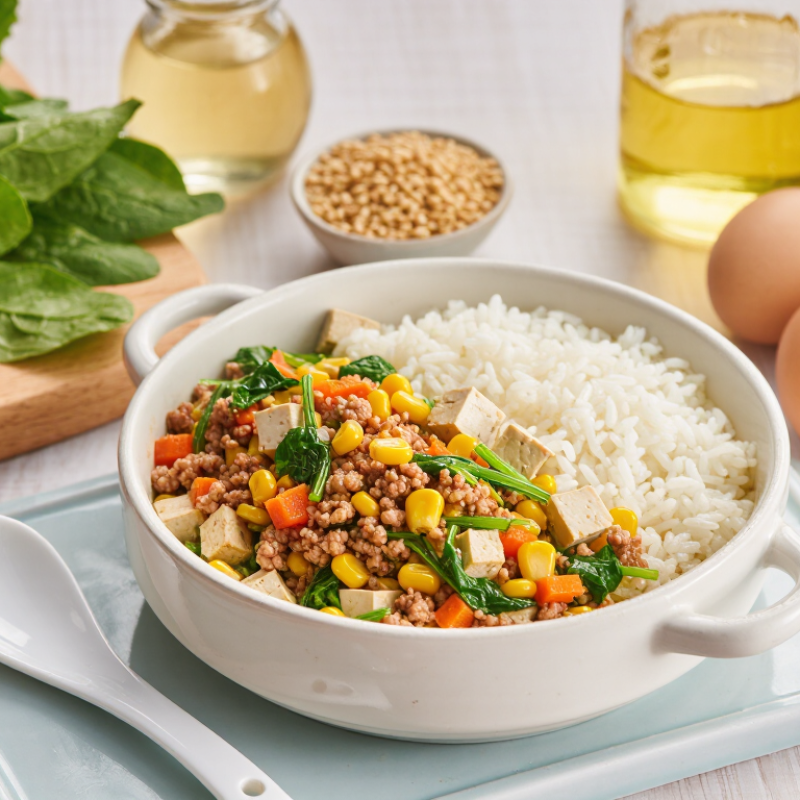
Choosing Toddler Nutrition Ingredients in China requires more than following a trend or reading a “high protein” label. For children aged one to three, ingredient choices should support growth while fitting their changing appetite, chewing skills, and family meals. China’s Dietary Guidelines for Chinese Residents (2022), issued by the Chinese Nutrition Society, recommend varied foods and age-appropriate eating patterns. That practical advice matters. A toddler’s bowl might include soft rice, minced meat, tofu, and finely chopped vegetables—not one fashionable powder.
The scale of nutrition needs is clear. The UNICEF/WHO/World Bank Joint Child Malnutrition Estimates 2023 reported that 148.1 million children under five were stunted globally in 2022. This is not a China-specific figure, and it does not prove any single ingredient prevents poor growth. It does show why balanced diets and reliable nutrition information matter. WHO nutrition director Dr. Francesco Branca’s guidance emphasizes diverse, nutrient-dense diets for young children; this is a paraphrase, not a direct quotation.
This guide examines ingredients commonly considered in China, including milk proteins, iron sources, calcium, oils rich in essential fatty acids, grains, and plant foods. It weighs nutritional value, digestibility, processing, and evidence—not marketing language alone. Small details count: whether a texture is safe for the child’s stage, or whether a product adds unnecessary sweetness. There is no perfect ingredient. Families should consider the whole diet, product quality, and advice from qualified health professionals. And the evidence can be uneven.
How Toddler Nutrition Needs Change After 12 Months
After a child’s first birthday, nutrition shifts from mostly milk feeds toward regular meals and snacks. Milk still matters. The Chinese Nutrition Society’s Dietary Guidelines for Chinese Residents (2022) recommend about 350–500 mL of milk daily for children aged 1–2 years. Treat this as a guide, not a target to force at every sitting. Appetite often changes from day to day. Small bites matter.
Energy needs rise as toddlers walk and explore, yet their stomachs remain small. Offer soft family foods rich in iron and zinc, such as minced meat, fish, egg, tofu, or beans, with vegetables, fruit, grains, and appropriate fats. WHO and UNICEF’s 2021 infant and young child feeding indicators define minimum dietary diversity for ages 6–23 months as foods from at least five of eight food groups in a day. It is a variety check, not a scorecard for each meal. Pair iron-rich foods with vegetables or fruit, and keep sweet drinks and heavily salted foods out of the routine.
Texture can progress gradually, with close attention to safe sizes and shapes. Responsive feeding means noticing hunger and fullness cues rather than insisting on a clean plate. In practice, variety can feel ambitious on a tired evening; one imperfect meal does not define a toddler’s diet.
Which Nutrients Matter Most in Toddler Foods
What Are the Best Toddler Nutrition Ingredients in China?
For children aged one to three, nutrient needs support rapid growth, movement, and brain development. Iron deserves close attention because low intake can affect healthy development. Offer iron-rich foods such as finely chopped meat, fish, tofu, or beans. Pair plant sources with vitamin C-rich fruit, such as orange or kiwi, to help the body absorb iron. Small details matter.
Protein supports growing tissues, but toddlers do not need oversized portions. Eggs, fish, dairy foods, tofu, and well-cooked beans can all contribute. Dietary fat also matters for energy and development; avoid making meals unnecessarily low-fat. Calcium and vitamin D support bones and teeth. Milk, yogurt, and calcium-set tofu provide calcium, while vitamin D sources may be limited in food. Ask a healthcare professional whether a supplement is appropriate for your child.
Fiber from vegetables, fruit, oats, and other whole grains can help keep bowel movements regular. Offer water with meals, and prepare foods in soft, bite-sized pieces to reduce choking risks. Needs vary. It is easy to treat a nutrition chart like a daily test, but one meal rarely tells the whole story. A varied pattern across the week is more useful than a perfect plate at every sitting.
Common Nutrient-Rich Ingredients Used in China
In many Chinese homes, toddler meals begin with familiar staples such as rice, noodles, and millet porridge. These foods provide energy, but they are not complete meals on their own. Add soft-cooked egg, minced pork, or flaked fish for protein and iron. Check fish carefully for bones. Small pieces matter.
Tofu is another useful option. Its mild flavor works well with rice, pumpkin, or finely chopped leafy greens. Cook greens until tender, then cut them small enough for your child’s chewing skills. Sesame paste can add flavor and energy, but it is thick and may trigger an allergy. Offer new foods in small amounts and watch for a reaction.
Texture matters. A toddler may manage mashed pumpkin one day and refuse it the next; appetite can vary. Keep added salt low, and avoid relying on broth or porridge alone, since these can leave meals short on nutrients. A familiar dish is not automatically balanced. That takes attention, and some meals will still be uneven.
How Ingredient Safety and Quality Are Assessed
What Are the Best Toddler Nutrition Ingredients in China?
How Ingredient Safety and Quality Are Assessed
For toddlers, useful ingredients include iron-fortified grains, dairy, eggs, legumes, and soft vegetables. But a promising nutrient profile is only one part of the assessment. In China, products should be checked against relevant national food safety standards, including GB 10767-2021 and contaminant limits in GB 2762-2022. These standards set requirements; they do not guarantee that every batch is equally well made. Small details matter.
A careful review looks beyond the front label. Check ingredient order, allergen statements, age guidance, batch codes, and storage instructions. Manufacturers should be able to trace ingredients and document checks for microbes, heavy metals, pesticide residues, and nutrient content. SAMR’s 2023 national food-safety sampling report covered more than three million food batches, with roughly 97% meeting requirements. That figure covers foods broadly, not toddler products alone. It is useful context, not a product-level safety score. A clear label helps, but it cannot replace independent testing or reliable batch records. Even careful checks have limits; supply chains change, and a neat label can still leave questions unanswered.
How to Compare Toddler Nutrition Products in China
Comparing toddler nutrition products in China starts with a child’s age and usual diet, not the front-label claims. At the shelf, turn the package around. Check its stated product category, age range, preparation directions, ingredient list, and nutrition panel. Similar-looking products may be intended for different uses. Details matter. Compare nutrient amounts per serving, and note the serving size; a larger portion can make numbers seem more impressive. Read the full ingredient list for added sugars and check for allergens relevant to your child. Words such as “natural” or “premium” do not tell you how much of a nutrient the product provides.
A useful comparison is practical: can the product fit your child’s meals, routine, and any advice from a qualified health professional? Check that the Chinese label is clear and that the product’s category and use instructions match your needs. If the package makes a strong growth or health promise, look for specific, verifiable information rather than assuming the claim proves a benefit. I would not rank products by one nutrient alone; that is an easy mistake. Children’s diets differ, and a nutrition product does not replace varied foods. If your toddler has allergies, feeding difficulties, or a restricted diet, discuss choices with a pediatric clinician or registered dietitian.
| What Are the Best Toddler Nutrition Ingredients in China? — How to Compare Toddler Nutrition Products in China | ||||
|---|---|---|---|---|
| Comparison Dimension | What to Check on the Label | How to Compare Products | Practical Interpretation | Important Caveat |
| Age suitability | Intended age range, preparation directions, and product category. | For a child aged 12–36 months, check that the product’s stated age range includes the child’s age. Compare products within the same category. | Age range helps distinguish toddler products from infant formula and other foods. | Products for different age groups are not automatically interchangeable. Breast milk, varied family foods, and appropriate dairy foods can also contribute to a toddler’s diet. |
| Protein | Protein amount per 100 g of powder and, where shown, per 100 mL as prepared; check the ingredient list for protein sources. | Compare like-for-like values and serving sizes. Review the full ingredient list rather than judging quality from a single protein-source claim. | Protein supports growth, but a higher number is not automatically a better choice for every child. | Protein needs depend on the child’s overall diet, growth, and health. Seek individualized advice for a diagnosed allergy or medical condition. |
| Carbohydrates and sweeteners | Carbohydrate and sugars on the nutrition panel; ingredient names such as sucrose, glucose syrup, or lactose. | Compare the nutrition panels and ingredient lists together. Check whether added sweeteners appear and where they occur in the ingredient list. | Lactose is a naturally occurring milk sugar; the total sugars figure alone does not identify the source of sugars. | Nutrition labels and ingredient lists provide different information. Do not assume that “no sucrose” means a product contains no sugars. |
| Fat and fatty acids | Total fat and, if listed, the amounts of DHA, ALA (alpha-linolenic acid), and LA (linoleic acid). | Compare the stated amounts per prepared serving, not only front-of-pack wording. Check whether a quantity is declared or merely mentioned in a claim. | Fat supplies energy; DHA and essential fatty acids are specific nutrients that may be listed separately. | A prominent DHA claim does not by itself establish overall nutritional superiority. DHA has no Chinese nutrition-label NRV for calculating an NRV percentage. |
| Calcium and vitamin D | Declared calcium and vitamin D amounts per 100 g or prepared serving, plus the stated serving size. | Compare products using the same basis, such as per prepared 100 mL or per usual serving. Check how the product fits alongside other foods and drinks. | Both nutrients are involved in normal bone development and are commonly included in nutrition comparisons. | Chinese label NRV figures are general nutrition-label reference values, not individual toddler requirements or a personalized intake target. |
| Iron and zinc | Iron and zinc amounts on the nutrition panel; check whether values are given per 100 g, per serving, or as a percentage of NRV. | Compare the same units and serving basis. Consider the toddler’s whole diet, including iron-containing foods. | These minerals have important roles in normal growth and body function. | Do not select a product solely because it has the highest declared amount. A child with suspected deficiency needs advice from a qualified health professional. |
| Prebiotics and probiotics | Specific ingredient or strain names, the declared quantity, and any stated storage requirements. | Prefer clear, specific label information over broad terms such as “gut health blend.” Follow storage instructions if live cultures are listed. | Products may contain different fibers or probiotic organisms; these are not interchangeable ingredients. | Benefits depend on the specific ingredient, amount, and child. These additions are not a substitute for a balanced diet or medical care. |
| Milk and other allergens | Ingredient list and any allergen statements, including milk ingredients; review the label for other relevant ingredients. | Check the complete label every time, especially when a child has a diagnosed food allergy or a history of reactions. | Ingredient details are more useful for allergy screening than general “gentle” or “sensitive” wording. | For suspected milk allergy, consult a healthcare professional before choosing a replacement. Lactose-free products are not necessarily milk-protein-free. |
| Preparation and serving | Water-to-powder ratio, scoop instructions, preparation steps, storage directions, and use-by information. | Compare clear, practical instructions and follow the directions for the specific product exactly. | Correct preparation helps ensure the intended concentration and safe handling. | Do not add extra powder, dilute the product, or use it as a replacement for medical advice. Follow the package’s food-safety and storage instructions. |
| How to make a fair comparison: Compare products for the same age range, use the same serving basis, and read both the nutrition panel and the complete ingredient list. Chinese nutrition-label NRV percentages are reference figures for label interpretation, not toddler-specific dietary targets. A product’s suitability depends on the child’s age, diet, health, and any advice from a healthcare professional. | ||||
FAQS
Iron supports healthy development. Offer finely chopped meat, fish, tofu, or beans. Small portions can help.
Yes. Serve beans or tofu with vitamin C-rich orange or kiwi. The pairing is simple, not magic.
Eggs, fish, dairy foods, tofu, and well-cooked beans all contribute. Oversized portions are unnecessary.
No. Dietary fat provides energy and supports development. Avoid cutting it out without professional guidance.
Milk, yogurt, and calcium-set tofu provide calcium. Food may offer limited vitamin D, so ask a healthcare professional about supplements.
Offer vegetables, fruit, oats, and other whole grains. Serve water with meals, too.
Add soft-cooked egg, minced pork, or flaked fish. Check fish carefully for bones. Tiny details count.
Tofu pairs well with pumpkin or tender greens. Sesame paste can trigger allergies, so offer a small amount and watch for reactions. Appetite varies; some meals will be uneven.
Conclusion
After 12 months, toddlers continue to grow quickly, but their diets gradually become more varied and family meals play a larger role. Their nutritional needs include enough energy and protein for growth, along with nutrients that support bones, brain development, and healthy blood. A balanced approach matters: no single food or ingredient can meet every need, so variety and age-appropriate portions are important.
Toddler Nutrition Ingredients commonly used in China include grains, beans, eggs, dairy foods, vegetables, fruits, fish, and other protein sources. When comparing products, caregivers can review the ingredient list, nutrition information, serving guidance, and age suitability. Ingredient safety and quality are assessed through factors such as sourcing, handling, composition, and product testing. Clear labeling and a simple comparison of nutrient levels can help families choose options that fit a toddler’s overall diet, while professional advice can help address individual dietary needs.

Blog Tags: