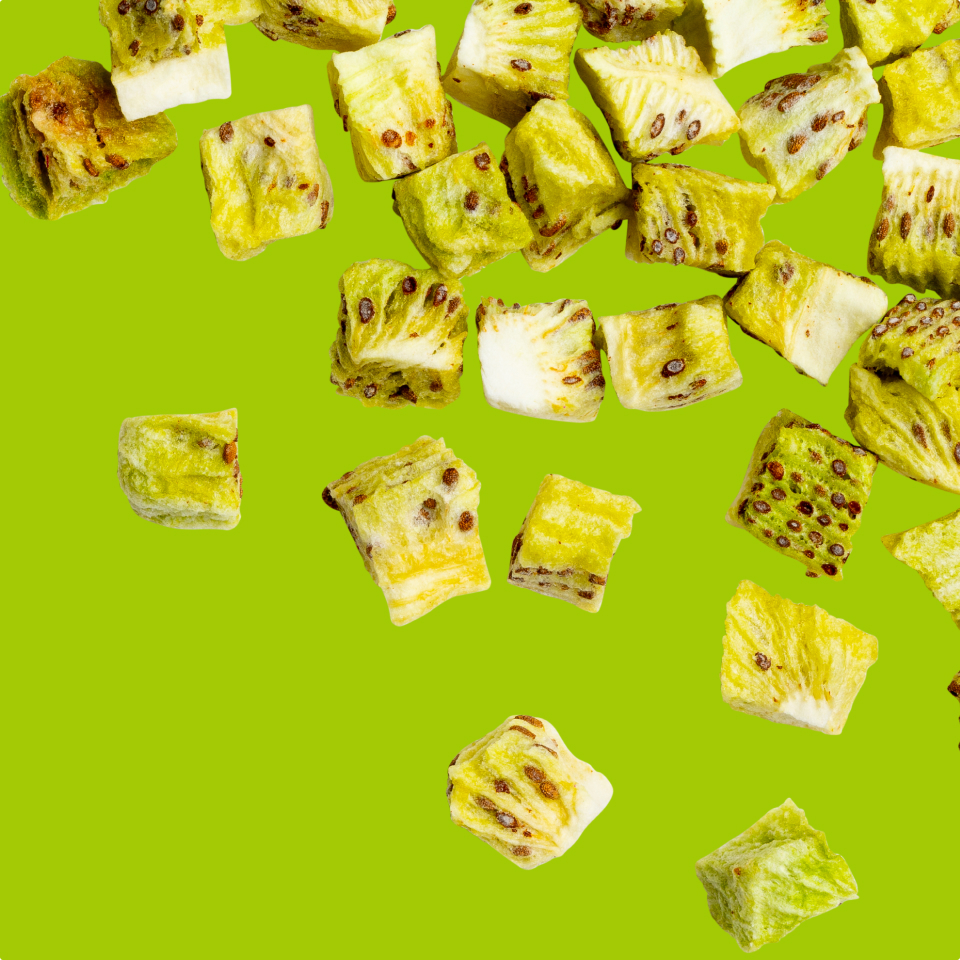
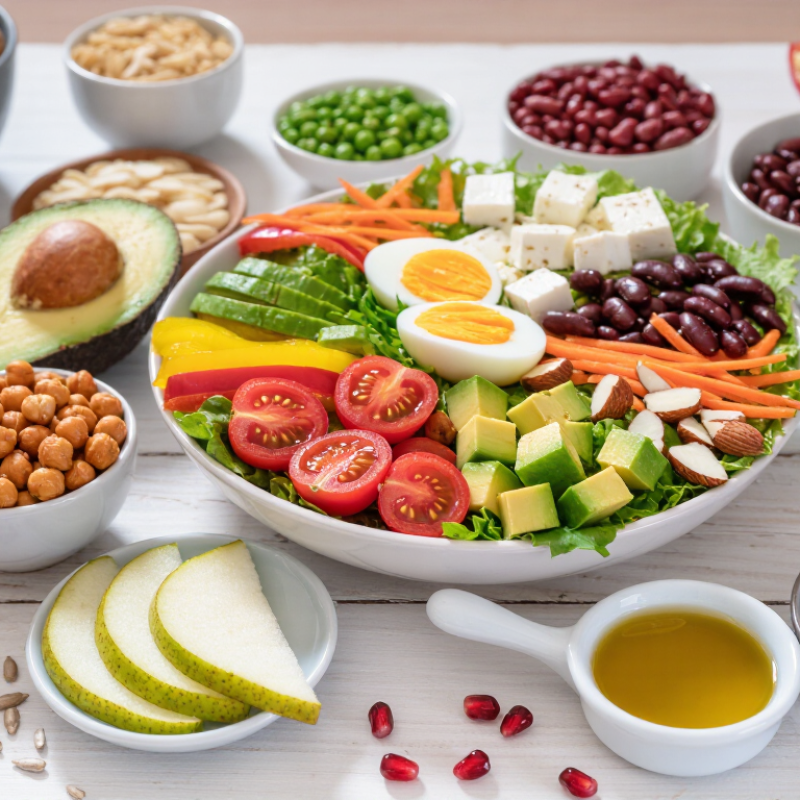
A memorable salad is built one thoughtful choice at a time. Salad Companion Toppers can add crunch, flavor, color, and satisfying texture, but the best combination depends on the meal and the person eating it. A handful of toasted seeds, crisp chickpeas, or sliced pear can turn a bowl of greens into something more inviting. Small choices matter. So does balance: a generous pour of dressing or several rich toppings can quickly overwhelm delicate leaves.
Consumer priorities offer useful context. The International Food Information Council’s 2024 Food & Health Survey found that 71% of U.S. adults said they try to consume protein. That finding may help explain interest in toppings such as beans, eggs, nuts, or cheese, though it does not mean every salad needs extra protein. Food writer Michael Pollan’s well-known advice, “Eat food. Not too much. Mostly plants,” offers a useful broad principle—not a specific rule for topping every salad. Use it as a starting point, not a substitute for individual dietary needs.
This guide considers flavor, texture, nutrition, convenience, and cost when comparing toppers. Check ingredient labels, especially for sodium, added sugars, and allergens. Try a small amount first; a few crunchy seeds can be enough. There is no universal winner. A topping that works beautifully on sturdy kale may disappear into tender lettuce, and even a carefully planned bowl can miss the mark. That is worth noticing. Adjust the next one.
What Salad Companion Toppers Are and How They Complement a Salad
Salad companion toppers are ingredients added to a salad for extra texture, flavor, or substance. They may be crunchy, creamy, tangy, or savory. Think toasted seeds, sliced pear, soft cheese, beans, or crisp croutons. Unlike dressing, toppers usually remain distinct bites. That matters. They let each forkful feel a little different.
A good topper complements what is already in the bowl. On a bed of peppery greens, sweet apple and toasted walnuts can soften the sharpness. Chickpeas add a hearty bite to cucumber and tomato, while a sprinkle of seeds brings crunch to tender leaves. Consider flavor, texture, and weight together. Too many rich or crunchy additions can crowd the salad and hide its fresher ingredients.
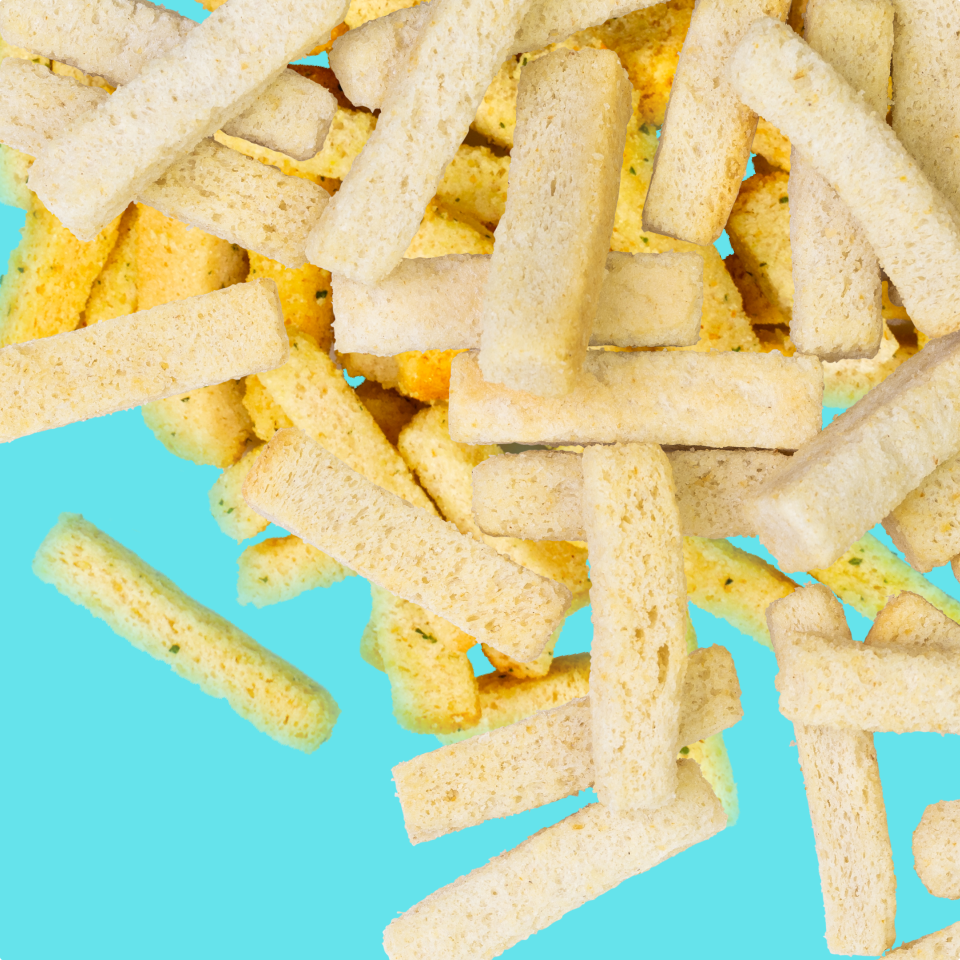
A useful approach is to add one or two toppers, then taste before adding more. A small handful often goes further than expected. If the greens are delicate, use lighter additions; sturdy cabbage can handle firmer, denser toppings. The balance is not always perfect on the first try. A few croutons may turn soggy, or a sharp cheese may dominate. Adjusting portions and adding toppers just before serving can help preserve their texture.
How to Assess a Salad’s Flavor, Texture, and Nutritional Needs
How to Choose the Best Salad Companion Toppers?
Start with the greens, then identify what the bowl lacks. Peppery arugula often welcomes sweet fruit; mild lettuce can handle sharper pickles or citrus. For texture, combine contrasts: crisp cucumber with creamy avocado, or tender greens with toasted seeds. Add crunchy ingredients shortly before serving. Even a good crouton goes soggy in a wet bowl.
Nutrition matters, but the right topper depends on the meal. Beans add plant protein and fiber; nuts and seeds contribute unsaturated fats and crunch. The FDA lists 28 grams as the Daily Value for fiber, a useful reference rather than a personal prescription. The CDC’s analysis of 2019 survey data found that only 10% of U.S. adults met vegetable recommendations. That gap makes beans or extra vegetables practical additions for many meals. Still, toppings can bring plenty of sodium or calories, especially when heavily salted or dressed. Check labels when relevant, and taste before adding more. The balance is not exact: juicy fruit can wilt greens, while too many crunchy pieces can drown out delicate leaves. A small test portion helps.
Which Topper Categories Suit Different Salad Bases
Tender bases such as butter lettuce and baby spinach need toppers that add texture without crushing the leaves. Try toasted seeds, crisp chickpeas, or thin slices of apple. Their crunch contrasts with soft greens, while smaller pieces distribute more evenly in each bite. A little goes a long way. I sometimes add too many crunchy toppings, and the salad starts to feel dry.
Sturdier bases can handle heavier categories. Kale and shredded cabbage pair well with warm roasted vegetables, beans, cooked grains, or firm cheese. These toppings bring substance and hold their shape under a thicker dressing. Peppery arugula often works with sweet fruit, such as pear, and a salty element, such as crumbled cheese. The contrast is useful, though personal taste matters more than a fixed rule. For a mild base like romaine, savory proteins or toasted bread can add flavor without overwhelming its clean, crisp bite.
How to Compare Topper Freshness, Preparation, and Dietary Fit
How to Choose the Best Salad Companion Toppers?
Freshness should be your first comparison point, not packaging appearance. Look for crisp edges, natural color, and a clean, mild smell. Wilted greens, leaking containers, or sour odors suggest poor handling. I usually check the preparation date and storage instructions before choosing. Cold toppings should feel properly chilled, while roasted toppings should not appear damp or greasy.
Preparation changes both texture and nutrition. Raw seeds add crunch, but roasting can deepen flavor and reduce some moisture. Beans should be fully cooked, tender, and cooled safely before serving. Cut fruit may brown quickly, so lemon juice can help preserve its color. However, too much dressing can hide a topping’s freshness. I still misjudge portion sizes sometimes. A small handful often balances better than a crowded bowl.
Dietary fit requires careful label reading and honest questions. Check for allergens, added sugar, excess sodium, and hidden dairy ingredients. Plant-based toppings may suit some diets, but they are not automatically low in calories or salt. People avoiding gluten should confirm preparation controls, not just rely on a simple claim. Shared utensils can also create cross-contact concerns. When serving guests, keep toppings separate and provide clear ingredient details. This approach makes comparison more practical, especially when freshness, preparation, and personal nutrition needs do not point toward the same choice.
How to Choose the Best Salad Companion Toppers
Compare approximate protein per 30 g serving, then consider freshness, preparation time, and dietary fit.
How to read this: Seeds and nuts add the most protein among these options. Values are rounded estimates for generic foods; brands and preparation methods can change nutrition. Pair toppers to suit your meal and dietary needs.
Topping
Freshness & preparation
Dietary fit
Pumpkin seeds
Ready to use; toast briefly for extra crunch. Store sealed according to package directions.
Plant-based; naturally gluten-free, but check labels for cross-contact.
Almonds
Ready to use; chop or toast just before serving. Store sealed according to package directions.
Plant-based and naturally gluten-free; contains tree nuts.
Feta
Ready to crumble; keep refrigerated and follow the package date and storage directions.
Vegetarian if made with suitable rennet; contains dairy.
Croutons
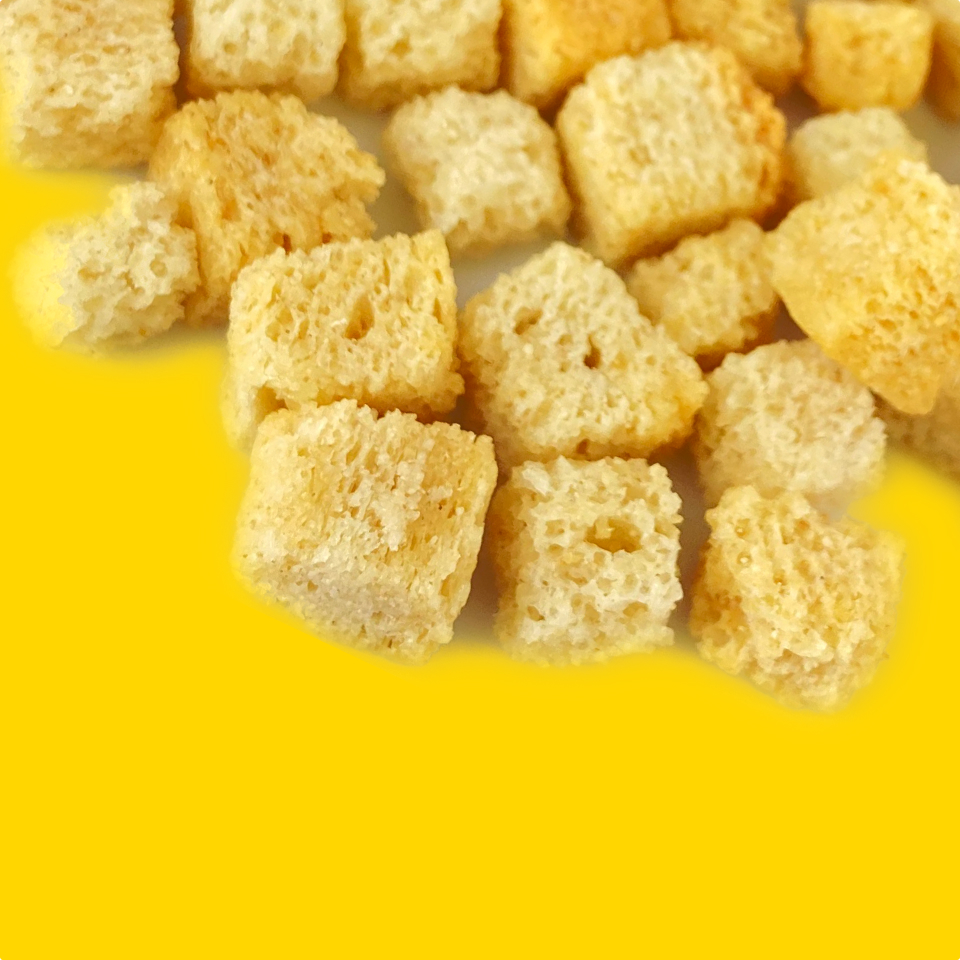
Ready to use; add just before serving to preserve crunch. Follow package storage directions.
Often contains wheat and gluten; check ingredients.
Cooked chickpeas
Canned chickpeas need draining and rinsing; refrigerate leftovers promptly and use within 3–4 days.
Plant-based and naturally gluten-free; check labels for cross-contact.
How to Combine Toppers for a Balanced Saladcuntegn
A balanced salad works best when each topper has a job. Start with crisp greens, then add a filling ingredient such as beans, egg, chicken, or tofu. A small handful of grains can make the bowl more substantial. For contrast, add something crunchy, like sliced radish, toasted seeds, or cucumber. A little goes far. Too many crunchy toppings can make every bite feel dry, so include a juicy ingredient, such as orange segments or ripe tomato.
Bring the flavors together with a creamy element and a bright one. Avocado or a spoonful of plain yogurt-based dressing can soften sharp greens, while lemon juice or vinegar adds freshness. Taste before adding more. Salty cheese and seasoned nuts can quickly make a salad taste overly salty, so use modest amounts and adjust after mixing. There is no perfect ratio: sweet fruit may need more acidity, while bitter leaves may benefit from a richer dressing. I sometimes add too many toppings because each looks appealing on its own; the bowl usually tastes clearer when one or two flavors take the lead.
FAQS
What are salad companion toppers?
They are ingredients that add flavor, texture, or substance. Unlike dressing, they stay as distinct bites.
How many toppers should I add?
Start with one or two. A small handful can be enough. Taste before adding more.
Which toppers work well with peppery greens?
Sweet apple or pear can soften peppery greens. Toasted walnuts add a crisp, savory bite.
How can I add contrasting textures?
Pair crisp cucumber with creamy avocado, or tender leaves with toasted seeds. Add croutons just before serving.
Which toppings make a salad more filling?
Beans or chickpeas add a hearty bite, along with plant protein and fiber. Try them with cucumber and tomato.
How can I check whether toppings are fresh?
Look for crisp edges, natural color, and a clean smell. Avoid wilted greens, leaking containers, or sour odors.
What should I check for dietary needs?
Read labels for allergens, added sugar, sodium, and dairy. For gluten concerns, check preparation details too.
Can toppings overwhelm a salad?
Yes. Too many crunchy pieces can bury tender leaves, and juicy fruit can wilt greens. I still misjudge portions sometimes.
Conclusion
Salad Companion Toppers are ingredients added to a salad to enhance its flavor, texture, and nutritional value. Choosing the right ones starts with considering what the salad already offers: a mild base may benefit from bold, savory additions, while a richly flavored salad may call for something fresh and crisp. Think about contrasts such as crunchy and tender, sweet and tangy, or creamy and crisp, and consider whether the meal needs more protein, fiber, or healthy fats.
Different salad bases pair well with different topper categories, from fresh vegetables and fruits to grains, seeds, nuts, cheeses, and protein-rich ingredients. Compare options for freshness, preparation time, and dietary fit, including personal preferences or food sensitivities. For a balanced salad, combine a few complementary toppers rather than adding too many competing flavors. A thoughtful mix can make the salad more satisfying while keeping its ingredients and overall taste in harmony.
Charlotte is a dedicated marketing professional with extensive expertise in the industry. With a keen eye for detail and a passion for innovation, she plays a vital role in shaping our company's online presence. Charlotte frequently contributes to our professional blog, where she shares insightful......