Industry Insights & News
Stay informed with expert market trends, technical innovations in freeze-dried ingredients, and product development resources.



Sourcing Breakfast Cereal Ingredients in 2026 means managing more than grain prices. Buyers must assess crop availability, ingredient specifications, supplier reliability, and changing consumer expectations. Oats, wheat, corn, rice, sweeteners, and dried fruit may each follow different supply patterns. A low quoted price can lose value when quality varies or delivery slips.
The FAO’s December 2024 Cereal Supply and Demand Brief estimated global cereal production at about 2.84 billion tonnes for 2024. This scale offers context, not a guarantee of dependable supply for any particular buyer. The USDA’s Grain: World Markets and Trade reports provide further insight into production, trade, and export conditions. Together, these sources help procurement teams distinguish broad market abundance from the availability of a specific grade, origin, or shipment window. Specs matter.
A practical sourcing plan should define moisture limits, particle size, allergen controls, documentation, and traceability before requesting bids. Buyers can compare suppliers against consistent criteria, then verify claims through samples, certificates, and documented quality checks. Price alone misleads. Freight costs, crop disruptions, currency movements, and processing capacity can reshape the final landed cost. Some forecasts will still be wrong; seasonal markets rarely follow a neat spreadsheet. This guide examines how to identify qualified suppliers, evaluate ingredient risks, and build flexible purchasing plans for 2026 without treating one market report as a promise.
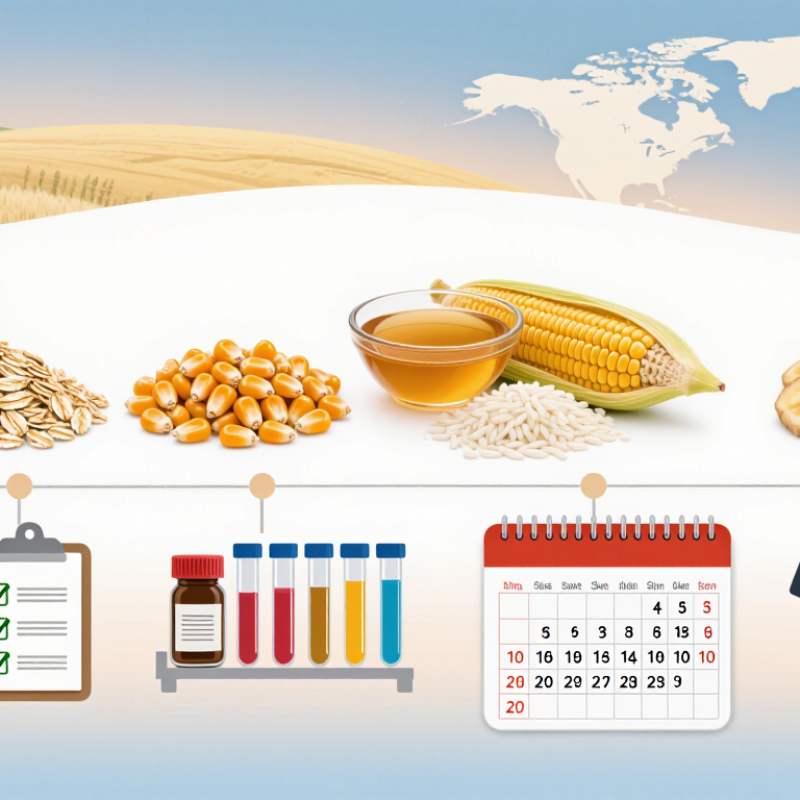
Define the Cereal Formula and Ingredient Specifications
A cereal formula should describe more than a list of grains. Specify each ingredient’s role, target percentage, and acceptable variation. For example, identify whether oats provide visible flakes, chew, or fiber. Record particle size, moisture range, protein level, and any functional requirements for every key ingredient. State whether the finished cereal will be baked, toasted, or extruded. These details help suppliers assess fit and provide comparable samples. Keep it measurable.
Tips: Request technical data sheets and recent certificates of analysis. Ask how ingredient lots are checked for moisture, color, and particle consistency. Test samples in a small pilot run, not just in a bowl. Heat and mixing can change texture.
Set sensory targets with practical language: “crisp after three minutes in milk” is more useful than “good crunch.” Note acceptable color variation and the size of visible inclusions, such as dried fruit pieces. Confirm allergen handling and traceability documentation with each supplier. Then compare samples against the same written specification. A supplier’s figures may look ideal on paper, yet the cereal can soften too quickly. That mismatch deserves attention, even if the first tasting seems promising. Keep versioned formula sheets, and record why each specification changes. Small details matter.
How to Source Breakfast Cereal Ingredients in 2026? — Define the Cereal Formula and Ingredient Specifications
Illustrative dry-blend formula for a lightly sweetened, multigrain extruded cereal. Percentages are starting points for product development, not a universal recipe; validate processing performance, nutrition, sensory quality, and applicable regulations before purchase.
| Ingredient | Illustrative Formula Share | Role in the Cereal | Suggested Incoming Specification | Sourcing and Verification Checks |
|---|---|---|---|---|
| Whole-grain corn meal | 38.4% | Main grain base; contributes corn flavor, color, and structure during extrusion. | Food-grade, finely milled; moisture target at or below 14%; consistent particle size and color; no off-odors or visible foreign matter. | Request a lot-specific certificate of analysis (COA), allergen statement, origin details, and results for applicable mycotoxin and microbiological controls. |
| Whole-grain wheat flour | 20.0% | Adds whole-grain content, wheat flavor, and protein that can affect dough handling and texture. | Food-grade whole-grain flour; moisture target at or below 14%; agreed protein and particle-size ranges; free from infestation and rancid odor. | Declare wheat as an allergen where required. Confirm gluten-related controls, milling practices, traceability, and lot-level COA. |
| Whole-grain oat flour | 15.0% | Contributes a mild oat flavor, whole-grain content, and a softer cereal texture. | Food-grade; moisture target at or below 13%; agreed particle-size range; no musty, bitter, or rancid notes. | Confirm whether the product is handled as gluten-containing or specifically controlled for gluten, based on the claim and local rules. Review allergen and cross-contact documentation. |
| Rice flour | 10.0% | Helps balance grain flavor and can support a lighter, crisp texture. | Food-grade; moisture target at or below 14%; consistent grind and color; no foreign material or off-flavor. | Review origin and traceability records, relevant contaminant monitoring, allergen status, and the supplier’s food-safety documentation. |
| Sugar | 8.0% | Provides sweetness and can contribute to surface color and flavor during processing. | Food-grade crystalline sugar; dry and free-flowing; agreed crystal size; no discoloration, caking, or foreign matter. | Specify the required sugar type and packaging. Check identity, lot traceability, COA, and any applicable sustainability or origin requirements. |
| Honey powder | 3.0% | Adds a recognizable honey note and supports a rounded sweetness profile. | Food-grade powder with a defined carrier declaration; moisture and flow properties agreed with the supplier; characteristic flavor and no caking. | Review the full ingredient composition, including carriers, allergen statements, country-of-origin information, and any claim or labeling implications. |
| Malt extract powder | 2.0% | Contributes malt aroma, color, and sweetness; may affect browning during baking or extrusion. | Food-grade powder; defined color and flavor profile; moisture, solubility, and carrier details documented. | Confirm the grain source and allergen status, particularly if derived from barley. Verify composition and labeling requirements for the target market. |
| Sunflower oil | 2.0% | Provides fat for flavor and mouthfeel and may assist with processing or coating, depending on the manufacturing method. | Refined food-grade oil; clear appearance and neutral odor; agreed oxidation-quality parameters and packaging conditions. | Request a current COA and shelf-life data. Agree storage, transport, and handling controls that limit exposure to heat, light, and oxygen. |
| Salt | 0.8% | Balances sweetness and enhances overall flavor. | Food-grade, free-flowing salt; defined granulation; no visible foreign matter or off-odor. | Specify whether standard or iodized salt is required. Check purity documentation, lot identification, and local labeling rules. |
| Calcium carbonate | 0.5% | Potential mineral fortificant and acidity-control ingredient, depending on the final formulation and permitted use. | Food-grade material meeting the applicable identity and purity requirements; particle size and dispersibility agreed for the process. | Confirm permitted use, addition level, and labeling in each sales market. Obtain identity, purity, and contaminant documentation. |
| Vitamin and mineral premix | 0.2% | Provides selected micronutrients when fortification is part of the product design. | Custom composition and potency specified by a qualified premix supplier; compatible with the cereal process and intended shelf life. | Set dosage only after nutritional and regulatory review. Verify potency, overage rationale, stability data, carrier ingredients, and lot-specific COA. |
| Natural flavor | 0.1% | Supports the target aroma and flavor profile; actual use depends on sensory trials and supplier strength. | Food-grade flavor with defined composition, carrier, recommended use range, and storage conditions. | Review ingredient and allergen declarations, natural-flavor definitions in target markets, and compatibility with heat and shelf-life requirements. |
| Total dry-blend formula | 100.0% | Process water, if used, is excluded from this dry-blend calculation. Rebalance percentages after pilot trials and nutritional review. | ||
FAQS
List each ingredient’s role, target percentage, and acceptable variation. Include particle size, moisture range, protein level, and functional needs. Keep it measurable.
Describe outcomes clearly, such as “crisp after three minutes in milk.” Specify acceptable color variation and visible fruit-piece size. “Good crunch” is too vague.
Heat and mixing can change texture. A sample that seems promising in a bowl may soften quickly in finished cereal. Test it.
Request technical data sheets, recent certificates of analysis, allergen statements, and relevant test results. Ask how lots are checked for moisture, color, and particle consistency.
Ask the supplier to trace a lot code back to its source and forward to every shipment using it. Try the process with a real batch. Keep the records.
Check how samples are collected and tested, and what happens when results exceed agreed limits. Confirm that storage and transport controls are covered.
Request specific evidence, such as farm-level sourcing records, water or energy measurements, and documented packaging changes. Compare similar measures and note what each figure excludes.
Agree on practical improvements and review dates. Record what remains unverified instead of treating assumptions as proof. A tidy spreadsheet can still hide a gap.
Conclusion
Sourcing Breakfast Cereal Ingredients in 2026 starts with a clear formula and detailed specifications for every component, including its intended function, quality, texture, flavor, and handling requirements. Buyers should map ingredient categories—such as grains, sweeteners, flavors, and inclusions—and identify the sourcing, documentation, and performance requirements relevant to each one. This preparation helps teams compare options consistently and focus on ingredients that meet the product’s needs.
Next, find qualified suppliers and assess their capabilities, quality systems, traceability practices, and sustainability information. Review food safety documentation and confirm that ingredients can be tracked through the supply chain. Compare quotations using more than unit price: consider availability, lead times, logistics, and consistency. Request samples for testing in the intended cereal formula, then use the results to refine specifications and make an informed selection. Clear supply agreements should outline quality expectations, delivery schedules, pricing terms, and procedures for addressing changes, helping support reliable production throughout the year.