Latest News & Updates

Industry Insights & News

Stay informed with expert market trends, technical innovations in freeze-dried ingredients, and product development resources.

0%

Choosing Ciabatta Crumb Sprinkles for global sourcing begins with a practical question: what must the ingredient achieve? These crisp, irregular crumbs can add visible texture, toasted color, and a rustic bakery character to prepared foods. They may suit coatings, toppings, fillings, and savory applications. Their uneven shape can make a product look more handcrafted. That visual detail matters on a crowded shelf.

Reliable sourcing requires more than attractive samples. Buyers should review particle size, moisture content, color range, flavor, and microbiological specifications. A professional supplier should provide clear technical documents and consistent batch records. Packaging also deserves close attention. Well-sealed bags help protect the crumbs from humidity, crushing, and foreign odors during transport. Traceability should extend from production to final delivery. Export documentation must match the destination market and the buyer’s quality system.

No crumb is perfect. Some variation may remain. That is why testing matters. A small trial can reveal whether the sprinkles stay crisp after baking, resist softening, or distribute evenly through a recipe. In my experience, texture often changes more during storage than expected. This point deserves honest review. Suppliers should explain their production controls, shelf-life data, allergen statements, and handling recommendations without exaggerated claims. Buyers can then compare total value, not only price. A dependable Ciabatta Crumb Sprinkles partner combines food expertise, responsive communication, stable capacity, and evidence-based quality control. The right choice supports product consistency while leaving room for thoughtful formulation improvements.
Why Choose Ciabatta Crumb Sprinkles for Global Sourcing?

What Are Ciabatta Crumb Sprinkles and How Are They Made?

Why Choose Ciabatta Crumb Sprinkles for Global Sourcing?

What Are Ciabatta Crumb Sprinkles and How Are They Made?

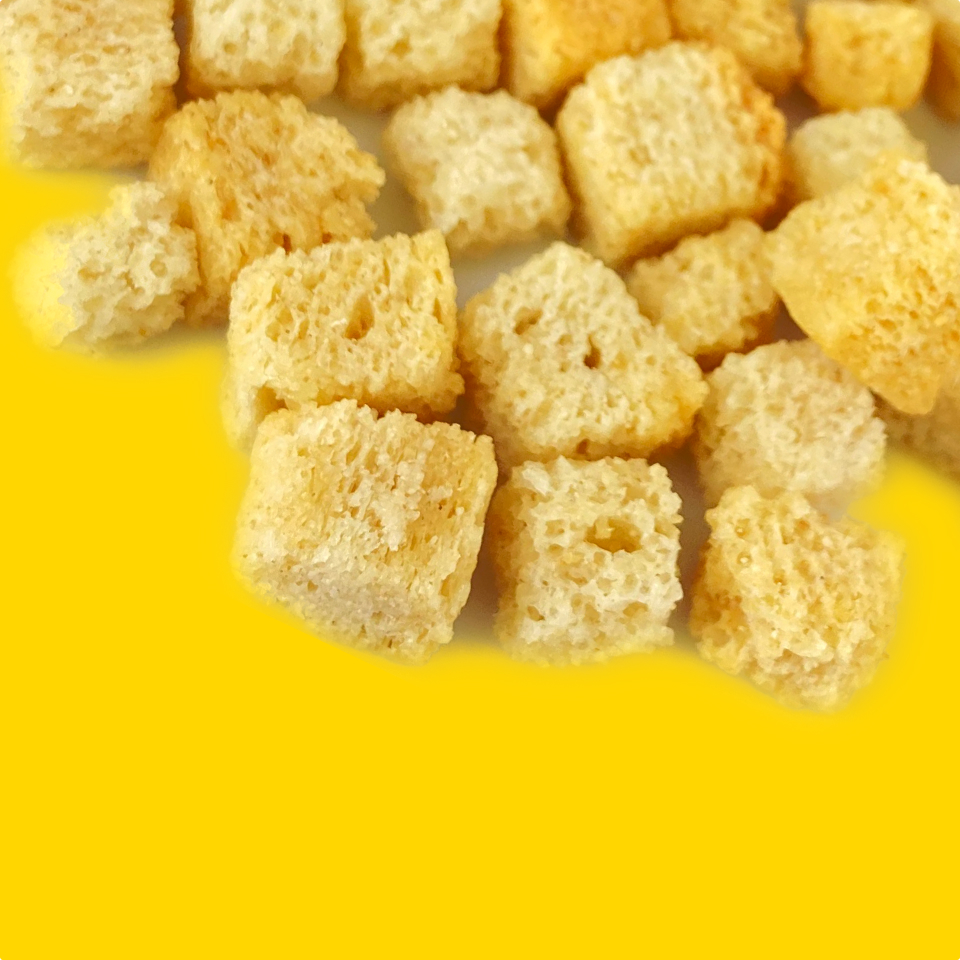
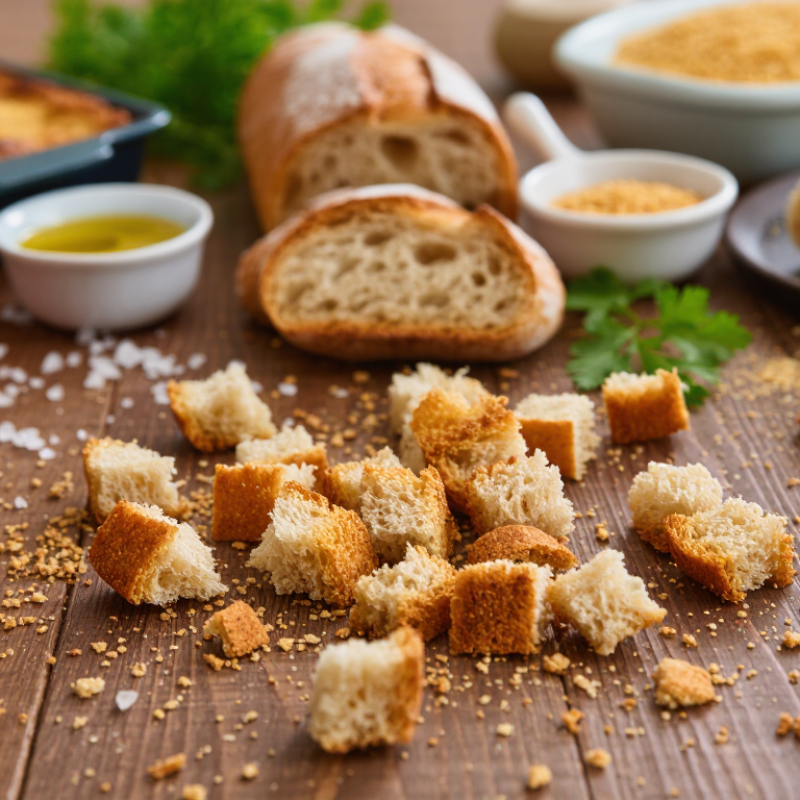
Ciabatta crumb sprinkles are small, toasted pieces made from baked ciabatta bread. They have an open, uneven structure and a lightly roasted flavor. Unlike fine breadcrumbs, these crumbs often keep visible pores and irregular edges. This texture can add contrast to pasta toppings, prepared foods, bakery fillings, and savory coatings. The product is simple, but its performance depends on careful processing.

Manufacturing usually begins with a high-hydration ciabatta dough. Flour, water, yeast, and salt are mixed, then fermented to develop flavor and air pockets. The dough is baked until the crust turns golden brown. After cooling, the bread is cut or broken into pieces, dried to a controlled moisture level, and milled. Screening separates the particles by size. Some pieces may receive additional toasting for a deeper color. Results can vary slightly between batches. That deserves attention.

For global sourcing, buyers should request particle-size ranges, moisture specifications, microbiological data, allergen statements, and packaging details. Clear documentation supports dependable quality checks across different markets. I would not judge a sample by appearance alone. Test its crunch, flavor release, and stability after cooking.

Tips: Compare samples in the same recipe. Check clumping after storage. Confirm whether the crumbs contain added seasoning or oil. Keep a retained sample for future batch comparisons.

Which Product Features Support Global Sourcing Decisions?

Why Choose Ciabatta Crumb Sprinkles for Global Sourcing?

Which Product Features Support Global Sourcing Decisions?

Global sourcing depends on repeatable product performance, not attractive samples alone. Ciabatta crumb sprinkles should offer consistent particle size, controlled moisture, and even browning. These features support predictable toppings across different ovens and production lines. A documented shelf life also reduces uncertainty during long ocean shipments. The FAO reports that 13.2% of food is lost between harvest and retail stages. Better moisture control can help reduce avoidable quality losses, although it cannot solve every storage problem.

In practical procurement reviews, buyers should request batch specifications, microbiological limits, allergen declarations, and traceability records. Food-grade packaging must protect the crumbs from humidity, crushing, and odor transfer. Clear carton dimensions also improve pallet planning. UNCTAD’s Review of Maritime Transport 2023 confirms that maritime shipping carries most global merchandise by volume, so transport resilience matters. A supplier should provide samples from multiple batches, not one perfect lot. That detail is often overlooked.

Tips: Compare particle-size distribution, moisture results, packaging strength, minimum order quantities, and delivery history. Ask for retained samples and realistic transit tests. Certifications help, but they do not replace testing. A lower price may hide higher breakage or inconsistent color. Procurement teams should review those trade-offs before approving a global source.

Why Choose Ciabatta Crumb Sprinkles for Global Sourcing?

Product features that support international purchasing decisions

Ciabatta crumb sprinkles can support global sourcing when they offer consistent particle size, dependable shelf life, documented food safety controls, efficient packaging, and stable supply continuity. The index below is a practical procurement-planning model rather than a market survey; buyers should validate each specification through supplier documentation, samples, and quality testing.

How Do They Perform Across Food Manufacturing Applications?

Ciabatta crumb sprinkles offer a practical way to add texture across food manufacturing applications. Their irregular shape creates a more rustic surface than fine breadcrumbs. In pilot trials, they can provide visible coverage on coated vegetables, chicken alternatives, seafood, and filled snacks. The crumb also supports a crisp bite after baking or frying.

Performance depends on particle size, moisture, and application method. Larger pieces create stronger visual contrast, while smaller pieces improve coverage on curved surfaces. On conveyor lines, consistent flow matters. Excess fines may collect around hoppers and affect dosing accuracy. That issue is easy to overlook. A short production test can reveal bridging, uneven adhesion, or excessive oil pickup.

For frozen foods, the sprinkles should retain structure after storage and reheating. A dry coating may crack when the product expands. A slightly stronger binder system can help, but it may soften the crust. This trade-off needs measurement, not guesswork. Manufacturers should compare bake, fry, and air-fry results under their actual settings. They should also check allergen controls, batch documentation, moisture limits, and packaging performance before global sourcing. Regional flour standards and shipping humidity can change results. The first sample is rarely perfect. Careful adjustment remains necessary.

Why Choose Ciabatta Crumb Sprinkles for Global Sourcing? - How Do They Perform Across Food Manufacturing Applications?

Data Category Performance Dimension Typical Industry Range Application Performance Global Sourcing Consideration
Physical Properties Particle size Approximately 1–5 mm, depending on screening specification Provides visible bread texture and a more artisan appearance than fine powder-style crumbs. Particle-size tolerances should be agreed in advance because size affects coating coverage, visual uniformity, and line feeding.
Physical Properties Bulk density Commonly about 0.25–0.45 g/cm³ for dried bread crumb materials Low density supports a light, textured coating but requires controlled dosing to maintain consistent coverage. Bulk-density variation can influence container fill weight, shipping volume, and automatic feeder calibration.
Moisture & Stability Moisture content Typically around 3–8% for shelf-stable dried bread crumbs Lower moisture generally improves crispness retention and reduces the risk of clumping during storage. Moisture limits should be supported by a certificate of analysis and verified at receiving.
Moisture & Stability Water activity Often targeted below 0.60 for shelf-stable dried crumb products Lower water activity helps limit microbial growth and supports longer ambient storage when packaging remains intact. Water-activity testing is important when sourcing across humid climates or using sea freight.
Sensory Quality Color profile Cream to light golden brown; darker toasted grades are also available Creates a rustic, toasted visual effect on baked, fried, or coated products. Color standards should be defined using a reference sample or instrumental color limits to reduce batch variation.
Sensory Quality Flavor and aroma Mild baked-bread aroma with a neutral to lightly toasted flavor Adds bread character without normally overpowering savory fillings, sauces, vegetables, or proteins. Sensory approval should include checks for rancid, burnt, sour, or stale notes before commercial release.
Coated Foods Adhesion to wet surfaces Good when applied over batter, egg wash, starch slurry, or other food-grade binders Produces a coarse, crunchy exterior on vegetables, seafood, poultry, meat alternatives, and filled products. Application trials should measure pickup rate, coating loss, and coverage after freezing, frying, or baking.
Bakery Surface decoration Used as a visible topping or texture component at formula-dependent levels Supports rustic bread, rolls, savory pastries, stuffed breads, and baked snack concepts. Suppliers should confirm compatibility with the intended bake profile and whether the crumb darkens excessively during baking.
Frozen Foods Freeze-thaw tolerance Generally suitable for frozen coated products when moisture migration is controlled Can retain a recognizable crumb structure after freezing and subsequent cooking, although crispness depends on the full coating system. Pilot testing should include frozen storage, thawing conditions, cooking method, and post-cook texture evaluation.
Snack Foods Texture contribution Coarse particles provide a noticeable bite and surface irregularity Enhances crunch, visual texture, and perceived handcrafted quality in savory snacks and filled products. A consistent sieve profile helps maintain repeatable mouthfeel across production locations.
Processing Thermal performance Suitable for baking, frying, air frying, and oven finishing; exact results depend on time and temperature Develops additional browning and toasted flavor during cooking while contributing to surface crispness. Thermal trials should monitor color development, oil uptake, scorching, and crumb detachment on the target line.
Formula Design Typical use level Determined by product design; commonly a few percent in doughs or toppings and higher in external coatings Allows adjustment of crunch, visual coverage, and bread flavor without requiring major process changes. Commercial specifications should distinguish internal inclusion, surface topping, and full coating applications.
Food Safety Allergen and dietary controls May contain wheat and gluten; recipe-dependent products may also involve milk, egg, soy, or sesame cross-contact Suitable for conventional formulations when allergen declarations and segregation requirements are met. Request allergen statements, ingredient specifications, microbiological criteria, and cross-contact controls for every production site.
Quality Assurance Microbiological control Commercial limits should be defined for total plate count, yeast, mold, and pathogens according to the destination market Low-moisture crumbs are generally stable, but contamination can still occur through ingredients, handling, or packaging. Use lot-specific certificates of analysis and risk-based verification testing before approving new origins.
Logistics Packaging and storage Moisture-barrier bags or lined cartons; store sealed in a cool, dry environment Proper packaging helps preserve flowability, color, aroma, and crispness during distribution. Evaluate pallet configuration, container humidity exposure, packaging integrity, and expected transit time for each trade lane.
Commercial Evaluation Supply qualification Requires document review, sample approval, pilot production, and ongoing lot verification A qualified specification can support consistent performance across bakery, coated foods, frozen foods, and snacks. Compare suppliers on specification compliance, batch consistency, lead time, minimum order quantity, documentation, and contingency capacity.

Note: The numerical ranges shown are typical industry reference values for dried bread crumb materials and are not universal specifications. Final limits should be confirmed through product trials, regulatory requirements, and a lot-specific certificate of analysis.

What Quality, Packaging, and Supply Factors Should Buyers Assess?

Ciabatta crumb sprinkles suit buyers who need a crisp, rustic texture and visible bread character. Quality assessment should begin with particle size, moisture, water activity, color, and bake consistency. Uneven granules can burn quickly or create weak coating coverage. Request a specification sheet, recent certificate of analysis, allergen statement, and microbiological results. Codex General Principles of Food Hygiene recommends preventive hazard controls across production, storage, and transport. That matters because crumbs can absorb moisture surprisingly fast.

Packaging deserves equal attention. Select food-contact packaging with strong moisture and oxygen barriers. Check seal strength, liner performance, pallet stability, and net-weight accuracy. FAO’s State of Food and Agriculture 2023 estimated that 13.2% of food was lost globally before retail in 2021. Poor seals and damaged cartons can add to that loss. A 2024 UNEP report also estimated 1.05 billion tonnes of food waste in 2022. Buyers should therefore assess pack size, recyclability, and disposal conditions, not only appearance.

Tips: Compare samples after 30 days, not only on arrival. Store test packs beside ordinary warehouse stock. Measure clumping, aroma, color, and crunch. Ask suppliers for lot traceability, production capacity, lead-time history, and contingency plans. Dual sourcing may reduce risk, but it can complicate texture matching. I would not approve a supplier from one attractive sample. Supply reliability is proven through repeated lots, clear records, and honest answers when something goes wrong.

Why Are Ciabatta Crumb Sprinkles a Practical International Choice?

Ciabatta crumb sprinkles offer a practical option for international food sourcing because they are familiar, flexible, and relatively easy to handle. Their irregular shape adds a handmade appearance to baked foods, coated products, and savory fillings. Buyers can request defined particle ranges, moisture targets, and packaging formats before placing trial orders. This makes conversations clearer across languages and supply teams. In practical sourcing work, a simple specification often prevents more trouble than attractive samples. Small details matter.

During long-distance transport, dry crumb products need stable moisture control and strong inner packaging. Desiccants may help in suitable applications, but they should never replace validated packaging tests. Suppliers should provide ingredient declarations, allergen information, lot codes, shelf-life data, and traceability records. A retained sample can help compare texture after storage. This is useful. Customs documents and destination-market requirements also deserve early review, since labeling rules can vary considerably. A low price means little if clearance or rework delays delivery.

The crumbs perform well in multiple recipes, which can reduce the number of separate ingredients a buyer must manage. They can support crunchy toppings, textured coatings, or visual contrast on prepared foods. However, “ciabatta-style” does not guarantee identical flavor or crispness. Flour type, fermentation, drying temperature, and particle size all influence the result. Buyers should test the product in the final recipe, not only in a dry cup. It may not suit every application. That limitation is worth recording honestly.

FAQS

What are ciabatta crumb sprinkles?

They are small, toasted pieces made from baked ciabatta bread. Their pores and uneven edges remain visible. The texture feels rustic.

How are ciabatta crumb sprinkles made?

Flour, water, yeast, and salt form a high-hydration dough. Fermentation develops air pockets. The dough is baked, cooled, dried, milled, and screened.

How do they differ from fine breadcrumbs?

They usually have larger, irregular pieces and visible pores. Fine breadcrumbs provide smoother coverage. These sprinkles create stronger visual contrast and a rougher bite.

Which foods can use these crumbs?

They can top pasta and prepared foods. They also suit bakery fillings and savory coatings. Coated vegetables, seafood, and filled snacks are possible applications.

How does particle size affect manufacturing performance?

Larger pieces create bold surface contrast. Smaller particles cover curved surfaces more evenly. Too many fine particles may collect near hoppers.

Can they stay crisp after cooking?

They may retain a crisp bite after baking or frying. Frozen products require extra testing. Expansion during reheating can crack a dry coating.

What should buyers request during global sourcing?

Request particle-size ranges, moisture limits, microbiological data, allergen statements, and packaging details. Also confirm added oil or seasoning. Documentation matters.

How should samples be tested?

Compare samples in the same recipe and under actual cooking settings. Check crunch, flavor release, oil pickup, adhesion, and clumping. The first sample may disappoint.

What storage issues deserve attention?

Check whether particles clump after storage. Shipping humidity can change performance. Keep a retained sample for later batch comparisons. It helps, sometimes.

Can results vary between production batches?

Yes, color, texture, and particle distribution may change slightly. Additional toasting can deepen color. Appearance alone is not enough for approval.

Conclusion

Ciabatta Crumb Sprinkles are carefully prepared bread-based toppings made by baking, drying, and breaking ciabatta-style bread into small, consistent pieces. Their open texture, toasted flavor, and adaptable particle size make them useful for adding crunch, visual appeal, and a rustic finish to a wide range of foods. For global sourcing, buyers can evaluate features such as moisture control, color consistency, flavor stability, allergen information, and compatibility with different production processes.

These crumbs can support applications including coated foods, prepared meals, bakery products, salads, soups, and savory snack formulations. International buyers should also assess packaging protection, shelf life, traceability, minimum order quantities, production capacity, documentation, and transportation conditions. Reliable specifications and suitable packaging help preserve quality across long supply routes. Overall, Ciabatta Crumb Sprinkles offer a practical international ingredient choice because they are versatile, easy to incorporate, and capable of delivering consistent texture and appearance across diverse food manufacturing environments.

Charlotte

Charlotte

Charlotte is a dedicated marketing professional with extensive expertise in the industry. With a keen eye for detail and a passion for innovation, she plays a vital role in shaping our company's online presence. Charlotte frequently contributes to our professional blog, where she shares insightful......